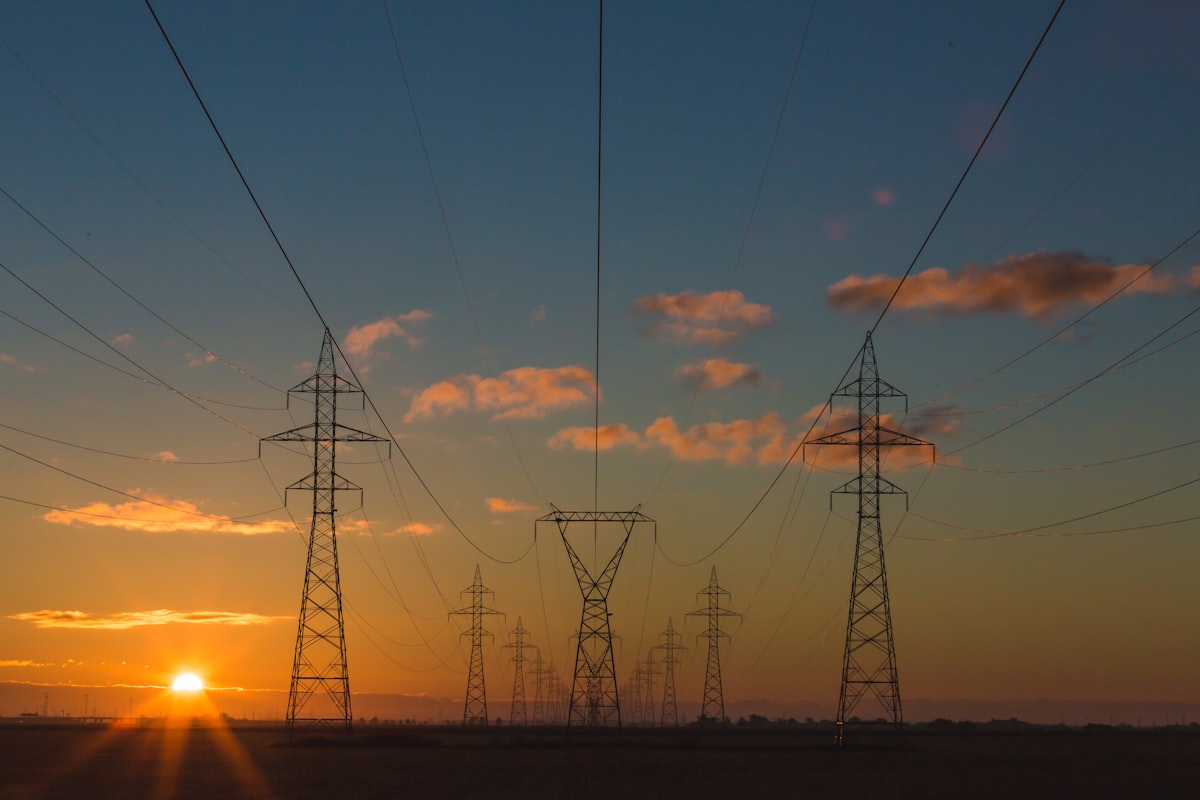
Look, we'll be honest with you. Every summer when temperatures hit 45°C and the grid starts groaning under the load, we all know what's coming. The lights flicker. The AC cuts out. And somewhere, a transformer has given up.
We've been running The Energy Company for a few years now, and the question we get asked most is simple: "India has made huge progress on electricity. So why do we still have power cuts?"
It's a fair question. And the answer isn't simple, but it's worth understanding.
Here's What Most People Don't Know About India's Grid
India operates the world's largest synchronized power grid. Think about that for a second,we're connecting 1.4 billion people, from Mumbai's skyscrapers to remote villages in Arunachal Pradesh, all on one synchronized system.
The grid is split into five regions (North, East, West, South, and Northeast), but they're all connected now. This means if Gujarat has extra power, it can send it to Bihar. That's actually brilliant engineering.
.png)
India's transmission network spans over 400,000 circuit kilometers
But here's the catch: when one part fails, the whole thing can cascade. Remember the 2012 blackout? Over 600 million people,half the country,lost power because a few states were pulling more than their share and the safety systems didn't kick in fast enough.
The Three-Layer System (And Where It Breaks)
Our power system has three parts:
Generation: This is actually going really well. We've got coal plants (still about half our power), a massive buildout of solar and wind (now over 40% of installed capacity), some hydro, and a bit of nuclear. The generation part isn't usually the problem anymore.
Despite the growth in generation capacity, India still loses a significant share of electricity before it reaches consumers. In FY 2023–24, transmission and distribution losses were about 16.6 % of total output, compared with ~6–8 % in developed grids, largely due to technical inefficiencies and commercial losses. These losses translate to nearly 290 billion units of electricity lost annually, about ₹1.45 lakh crore in economic value - making grid reliability and investment in infrastructure a continuing challenge.
Transmission: POWERGRID does a pretty good job moving electricity long distances. The backbone is solid.
Distribution: And here's where things get messy. Your local DISCOM (distribution company) is often broke, running old equipment, and losing about 16.6% of energy never makes it to users, a key reason local outages still happen
In fact, Aggregate Technical & Commercial (AT&C) losses , a measure that includes distribution and theft losses , were around 15 % in recent years, down from ~23 % a decade ago but still high and uneven across states. In some states like Arunachal Pradesh, AT&C losses exceed 50 %, meaning utilities collect revenue for less than half the power supplied.
India’s Grid Reality (FY 2023–24)
1. 16.6% – Transmission & Distribution losses
2. ~290 billion units – Energy lost annually
3. ~₹6.9 lakh crore – DISCOM accumulated losses
4. 6–8% – Global best-practice loss levels
Real talk: When your power goes out, it's usually not because India doesn't have enough electricity. It's because the local distribution network can't handle the load, or a transformer failed, or there's scheduled load-shedding because the DISCOM can't afford to buy enough power.
Why Summer is Brutal
Here's what happens every April-June: Temperature spikes to 45°C+. Everyone turns on their AC. Demand shoots up 30-40%. And suddenly, every weak point in the system is exposed.
Transformers that were already running hot literally melt. Cables that were rated for normal loads start failing. And the grid operators are frantically trying to balance supply and demand in real-time.
Another structural challenge is the financial stress on DISCOMs. Many utilities owe large amounts to generators and struggle with cash flow because of low tariff realization, delayed subsidies, and high losses. This inhibits capital expenditure on maintenance, modern equipment, and smart grid upgrades , all critical to reducing outages.
The Renewable Energy Puzzle
So India is going big on solar and wind, right? We're the 4th largest solar power producer globally. That's amazing. But it also creates a new problem the grid wasn't designed for.
Solar works great... until a cloud passes. Wind is fantastic... until it's calm. The grid was built for coal and hydro plants that run steadily. Now we're adding sources that fluctuate by the minute.
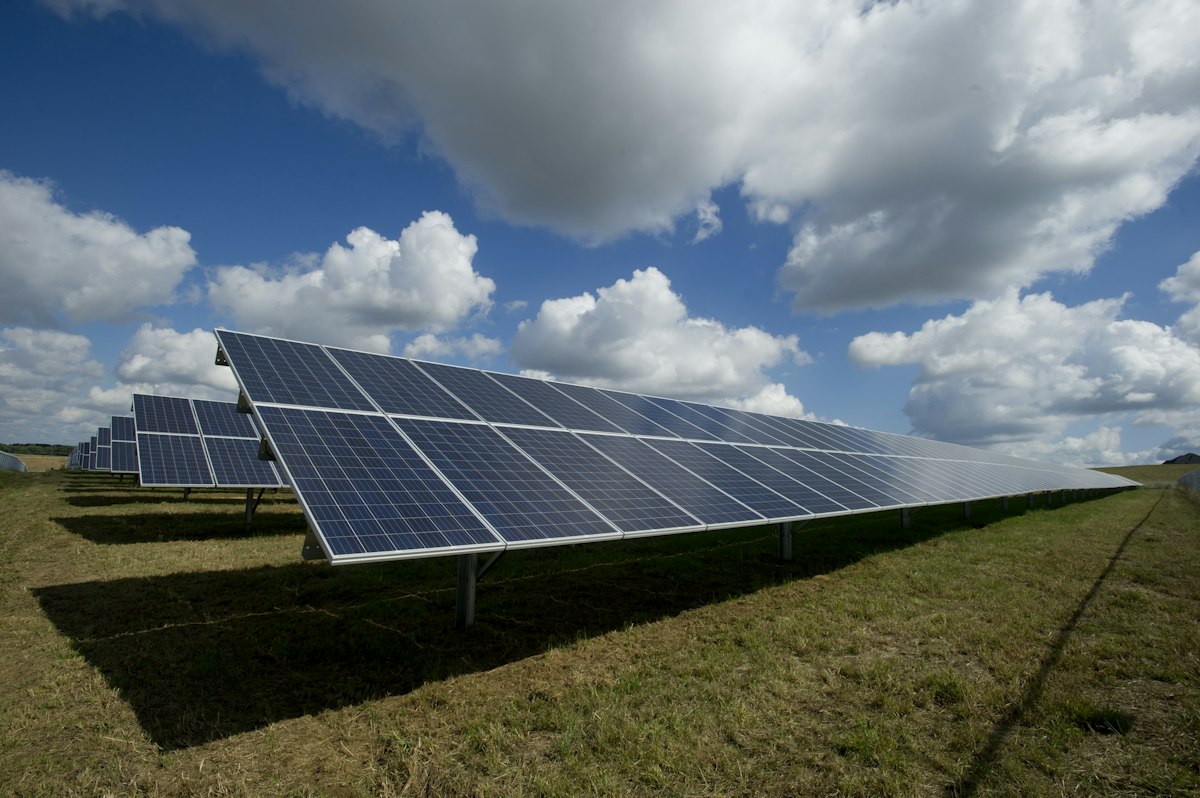
India's solar capacity has exploded, but grid integration remains a challenge
This is where storage becomes critical. And honestly, this is why we started our company. We saw that batteries,whether at grid scale or in your home,are the missing piece that makes renewable energy actually reliable.
What's Actually Being Done
The good news? A lot is happening:
Smart grids are rolling out. Real-time monitoring, automated fault detection, AI-based forecasting. The grid is getting smarter.
Massive battery installations. The government is finally investing in energy storage at scale. Pumped hydro, grid batteries, the works.
Better transmission. New HVDC lines lose less power over long distances. "One Nation, One Grid, One Frequency" is becoming real.
DISCOM reforms. Some states are privatizing distribution or forcing better management. It's slow, but it's happening.
But here's the reality: this stuff takes time. A decade, maybe two. Infrastructure doesn't get fixed overnight.
So What Can You Actually Do?
If you're reading this, you probably deal with power cuts. Here's what makes sense:
For homes: Traditional inverters work, but they're old tech. Solar + battery systems are getting affordable with subsidies. They give you backup AND lower bills. That's what we'd recommend.
For businesses: If power cuts cost you real money, you need proper backup. UPS for IT stuff. Solar + storage for sustained power. Diesel is expensive and dirty,honestly, we think it's on its way out.
For anyone: Understanding when your area typically has cuts helps. Most DISCOMs now have apps. Sign up for alerts. Plan around it.
.png)
Battery storage is transforming how we think about backup power
The Bigger Picture
Here's what I think is going to happen: India's grid will get more decentralized. More rooftop solar. More local storage. More microgrids. The big central grid will still exist, but it won't be the only game in town.
This is actually good. It makes the system more resilient. One transformer failure won't take down a whole neighborhood if half the buildings have their own solar and batteries.
EVs will change the game too. Millions of car batteries that can feed power back to the grid during emergencies? That's a massive distributed storage network.
And as battery prices keep falling (they've dropped 90% in the last decade), storage at every level becomes economically obvious.
What This Means for You
The India grid story is still being written. We've come incredibly far,near-universal electrification is a massive achievement. But we're in a transition period.
Power cuts will keep happening in many areas for the next 5-10 years while infrastructure catches up. That's just the honest truth.
But you don't have to be helpless. Understanding the system helps you make smart choices about backup power, solar, and energy use.
Bottom line: The grid is getting better. But if reliable power matters to you,whether you're running a business or just tired of your fridge dying every summer,taking control of your own energy makes sense. Solar + storage isn't just backup anymore. It's energy independence.
That's why we're in this business. We got tired of watching India generate clean energy and waste it because we couldn't store it. We got tired of businesses losing money every time the grid hiccupped. We built battery systems because the future of power isn't just generation,it's storage.
If you made it this far, you probably care about reliable power. We get it. That's exactly why we started this company.
Questions about your power situation or backup options? Drop us a line. We're always happy to talk through what makes sense for your specific setup.

